Hi, what do you want to do?






Carnegie Museum of Natural History
Carnegie Museum of Natural History: Tlingit of the Northwest Coast
Explore the culture, beliefs, and people of the Tlingit Indians of the Northwest Coast.
Smithsonian Institution
Smithsonian American Art Museum: Lure of the West
An exhibit from the Smithsonian includes 70 paintings and sculptures by famous American Western artists such as Catlin, Baker, Bierstadt, and Remington.
American Museum of Natural History
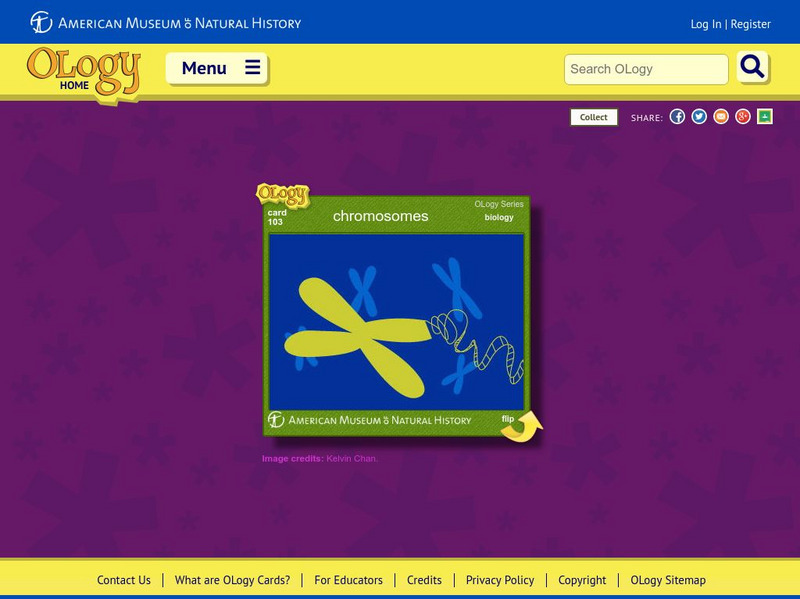
American Museum of Natural History: Chromosomes O Logy Card
Flip this interactive card to start learning about chromosomes, tiny, spaghetti-like packages of information. Answer multiple-choice and fact-or-fiction questions and review some fast facts about chromosomes.
American Museum of Natural History
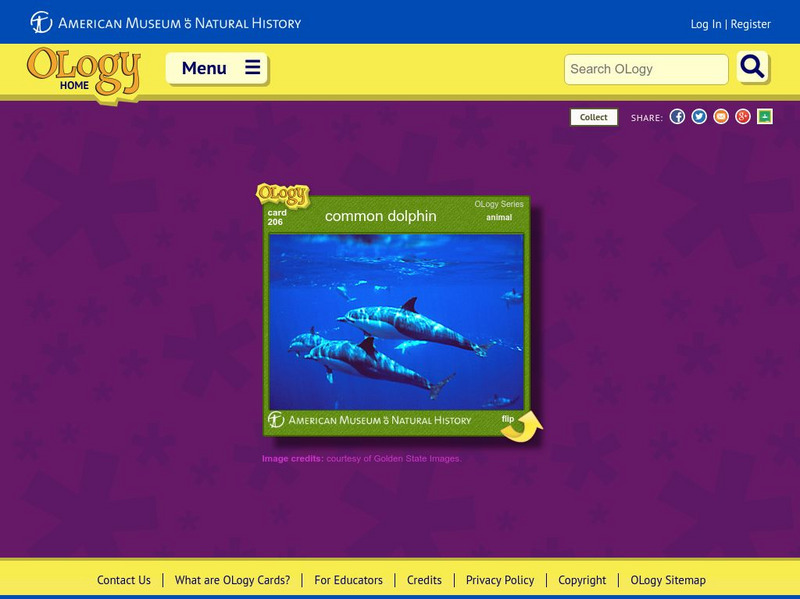
American Museum of Natural History: Common Dolphin O Logy Card
Flip this interactive OLogy card and start learning bite-size pieces of useful information about the common dolphin, such as its habitat, diet, and physical characteristics.

American Museum of Natural History
American Museum of Natural History: Communication O Logy Card
Turn over this interactive OLogy card and start learning bite-size pieces of useful information about how animals communicate.
American Museum of Natural History
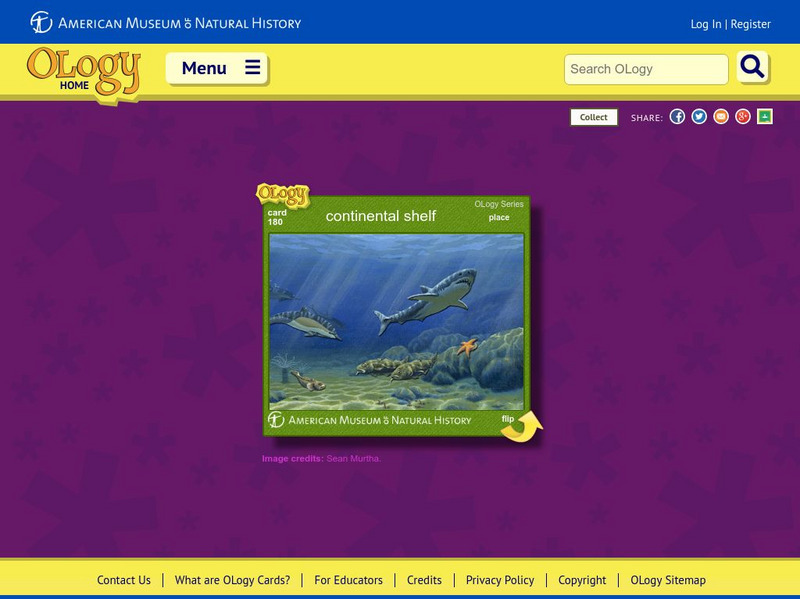
American Museum of Natural History: Continental Shelf O Logy Card
Turn over this interactive card to find fast facts, questions and answers, and similar bite-size pieces of information to help you understand the continental shelf.
American Museum of Natural History
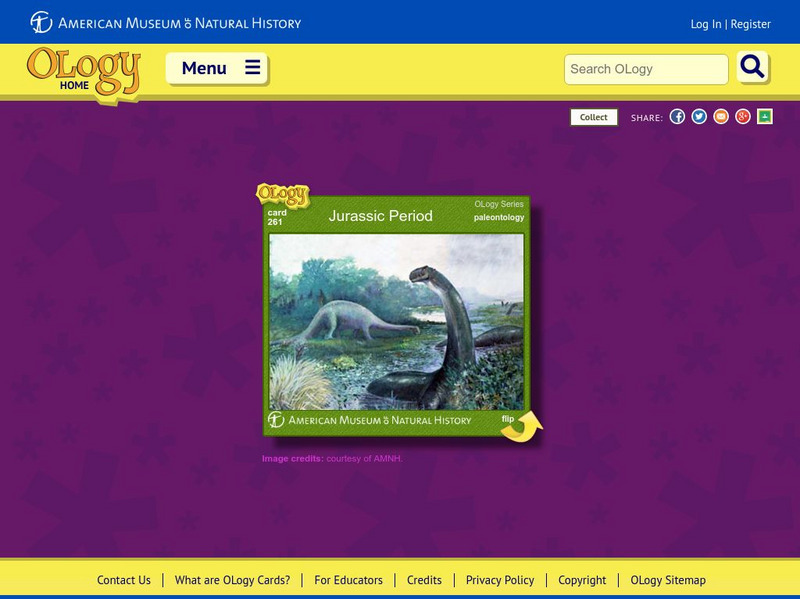
American Museum of Natural History: Jurassic Period O Logy Card
Learn a few facts about the Jurassic period from this interactive Ology card that also includes questions that can be answered. There is some information about Pangaea and dinosaurs.
American Museum of Natural History
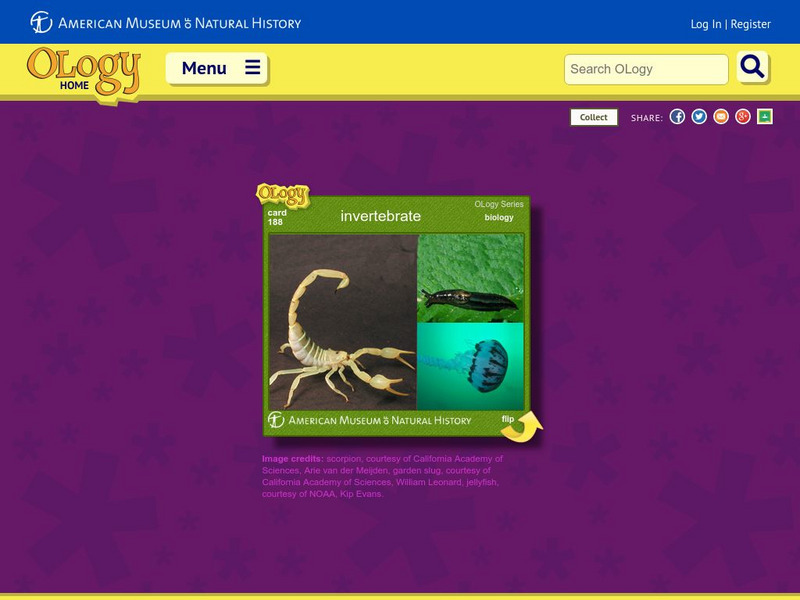
American Museum of Natural History: Invertebrate O Logy Card
Flip this interactive OLogy card to find questions and answers, fast facts, and other bite-size pieces of information to help you understand important characteristics of invertebrates.
American Museum of Natural History
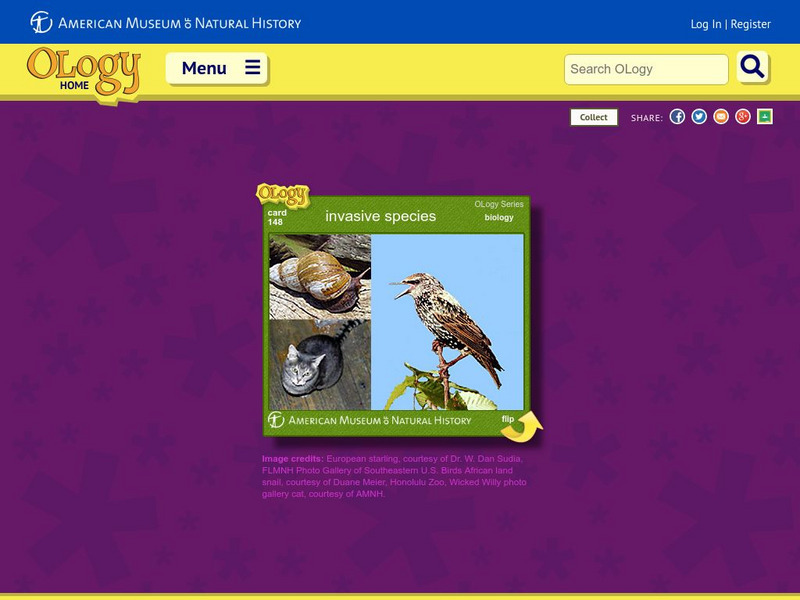
American Museum of Natural History: Invasive Species O Logy Card
Uncover facts about invasive species by turning over this interactive OLogy card.
Metropolitan Museum of Art
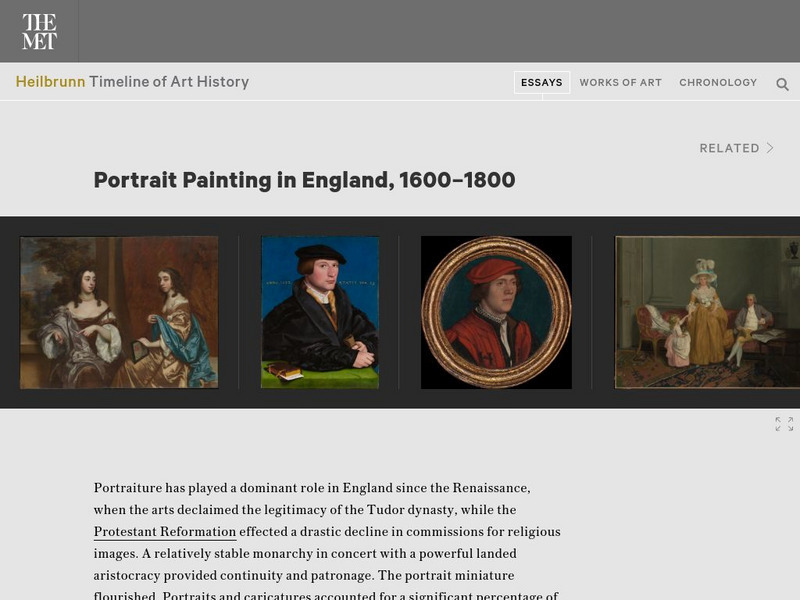
Metropolitan Museum of Art: Timeline of Art History: Portait Painting in England
Illustrated essay on British portraiture, 1600-1800. Encompasses the Tudor, Stuart, and Georgian periods.
Other
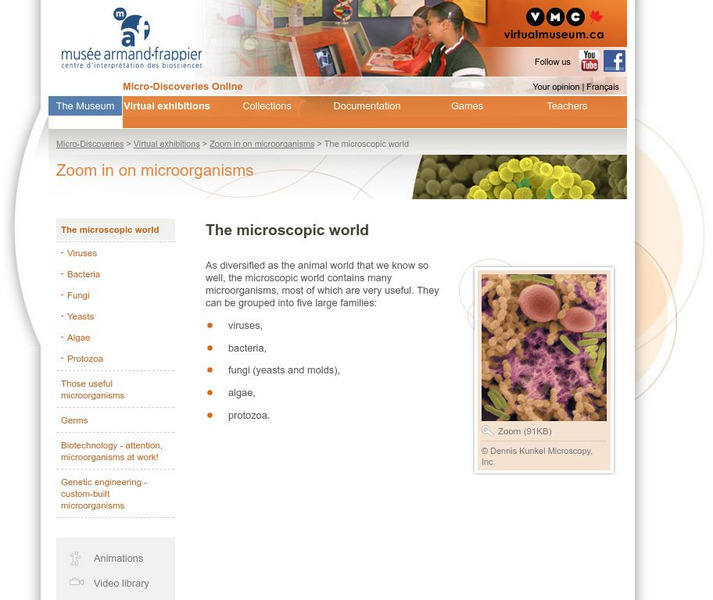
Armand Frappier Museum: Micro Discoveries Online: The Microscopic World
This comprehensive exhibit focuses on the wonders of microorganisms, what they are, how they can affect our daily lives, and how they can be manipulated. Videos, games, and animations are included. Teacher resource link explains each...
American Museum of Natural History
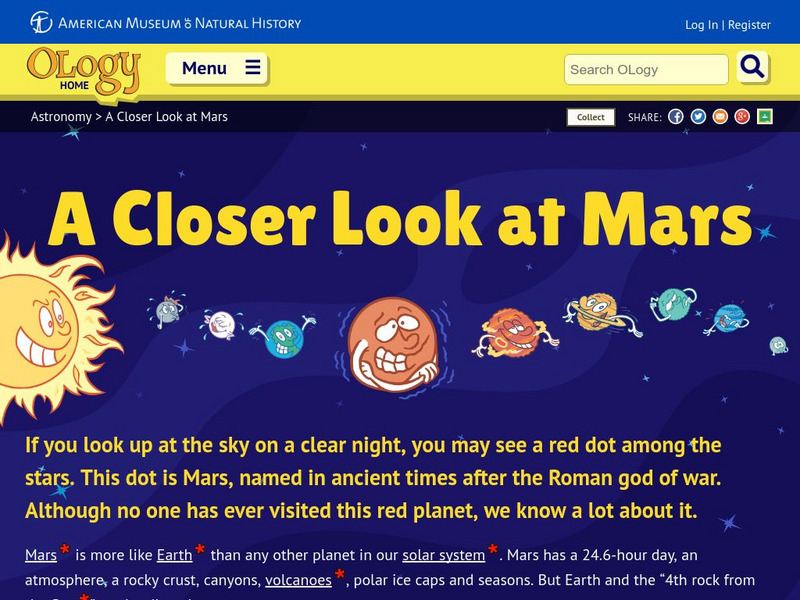
American Museum of Natural History: O Logy: A Closer Look at Mars
If you look up at the sky on a clear night, you may see a red dot among the stars. This dot is Mars, named in ancient times after the Roman god of war. Although no one has ever visited this red planet, we know a lot about it. This site...
American Museum of Natural History
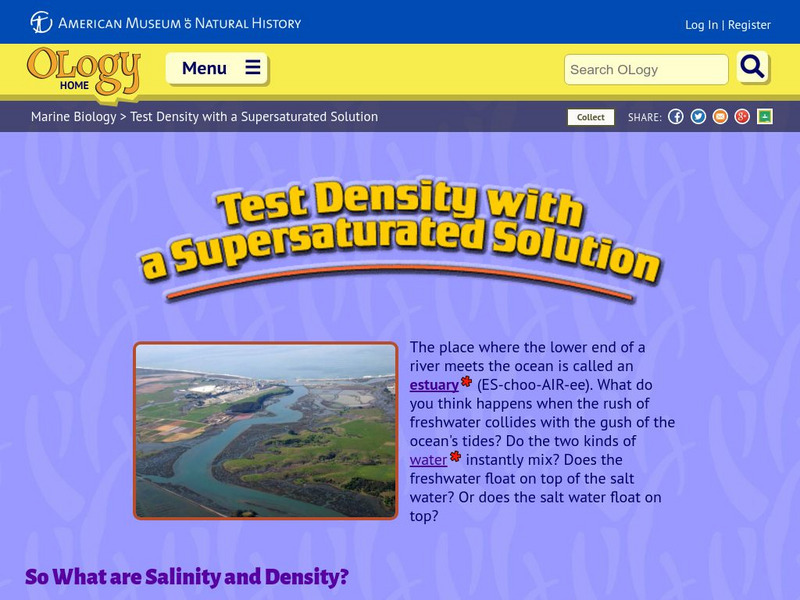
American Museum of Natural History: O Logy: Stuff to Do: Density of Salty Water
An experiment to test what happens when ocean water hits a freshwater estuary. Each step is demonstrated with photographs and the difference between salinity and density is explained.
American Museum of Natural History
American Museum of Natural History: Ology: Astronomy: Are You Cut Out for Mars?
Do you have what it takes to go on a space mission to the Red Planet? Think you can handle it? Take this quiz to find out!
American Museum of Natural History
American Museum of Natural History: Dinosaurs: Display or Defense?
Are plates of armor, horns, exceptionally large heads, and bony plates examples of dinosaur display or defense? Visitors to this resource will learn what scientists have concluded about the purpose of these peculiar dinosaur features.
Canadian Museum of Nature
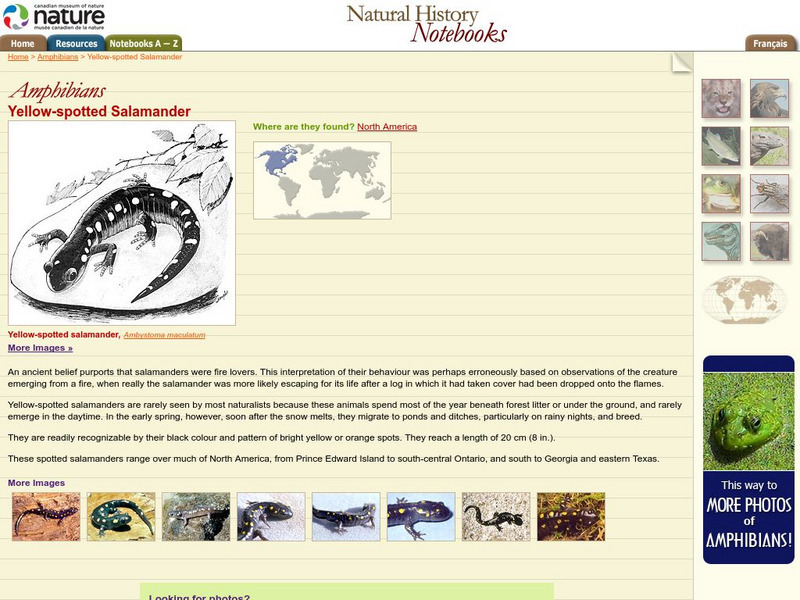
Canadian Museum of Nature: Yellow Spotted Salamander
With a number of images and text, characteristics of the Yellow-spotted Salamander are discussed.
American Museum of Natural History
American Museum of Natural History: O Logy: How Did the Universe Begin?
Bite-size introduction to two scientists-Hubble and Lemaitre-who played key roles in formulating the theory of the origin of the universe known as the big bang. Includes an interactive timeline on which you can plot out the approximate...
American Museum of Natural History
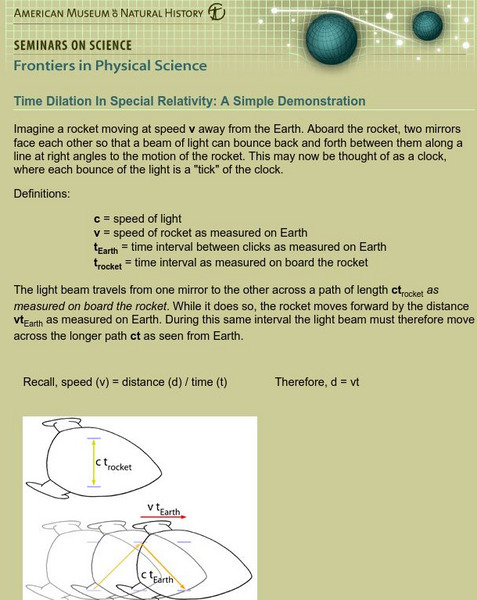
American Museum of Natural History: Resources: Time Dilation Equation
Using an example of light bouncing back and forth between two mirrors in a rocket, time dilation is explained in this resource. Step-by-step calculations using Einstein's time dilation equation are shown.
The British Museum
The British Museum: Helmet From the Ship Burial at Sutton Hoo
An interactive series of pages on the many treasures found at Sutton Hoo, the burial site of an ancient Anglo-Saxon king.
Science Museum, London
Science Museum: Rugged Rovers
Design and test your own all-terrain space rover with this app.
American Museum of Natural History
American Museum of Natural History: O Logy: Stuff to Do: Stargazing
Get started on the road to becoming an expert stargazer by following these recommendations for identifying stars, planets, and constellations. Includes an example of a journal that can be used as a record of your investigations.

American Museum of Natural History
American Museum of Natural History: O Logy: Stuff to Do: Make a Weather Station
Make a wind vane, rain gauge, and barometer and learn how to measure wind direction, rainfall, and air pressure.
American Museum of Natural History
American Museum of Natural History: O Logy: Stuff to Do: Atomic Mobile
Illustrated instructions for how to make a model of an atom (an atom mobile).
University of Oxford (UK)
Pitt Rivers Museum: Robert Hottot's Expedition to Central Africa, 1908 09
An online exhibition which documents a scientific expedition up the Congo river in the early 1900s. You can view the complete photos, documents, and equipment by clicking on the left side navigation bar.