Hi, what do you want to do?





American Museum of Natural History
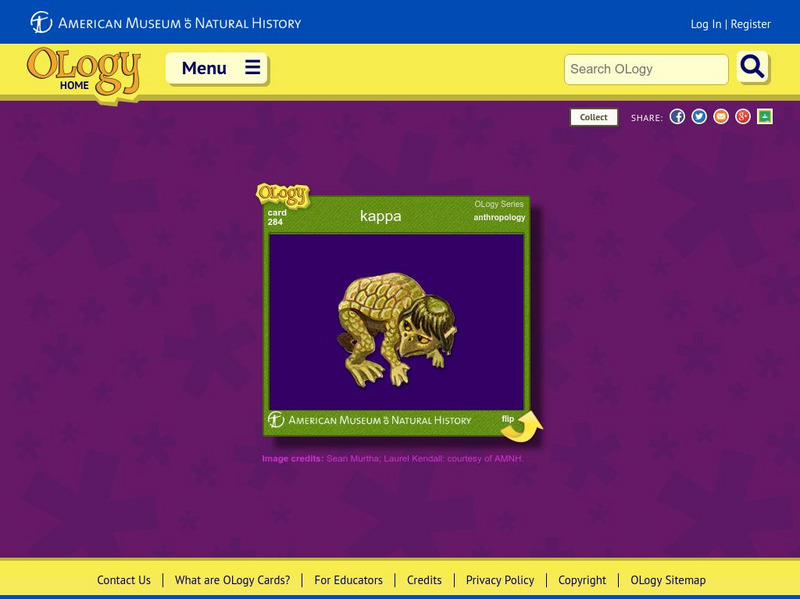
American Museum of Natural History: O Logy: Kappa
Find out about the Japanese mythical water creature called Kappa. Flashcard format.
American Museum of Natural History
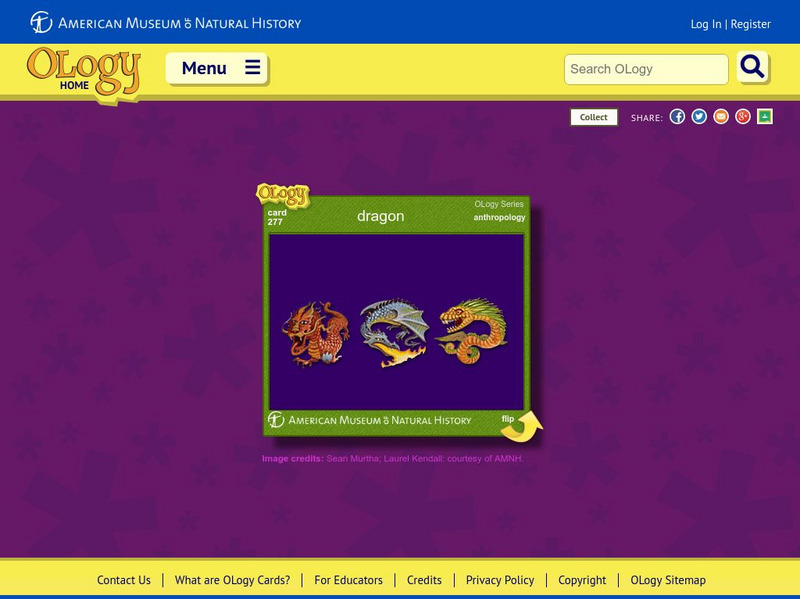
American Museum of Natural History: O Logy: Dragon
This is a flashcard about the dragon, a mythical creature in both European and Asian myths, which has many different characteristics. Find out the similarities and differences, and take the quiz to learn more while exploring this OLogy...
American Museum of Natural History
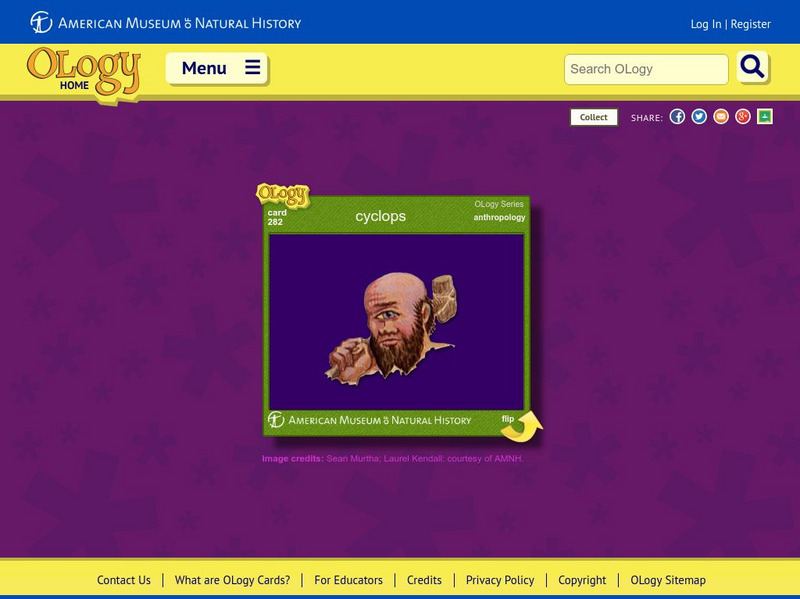
American Museum of Natural History: O Logy: Cyclops
Find out the background of the mythical cyclops from Greek mythology. It might surprise you! Flashcard format.
American Museum of Natural History
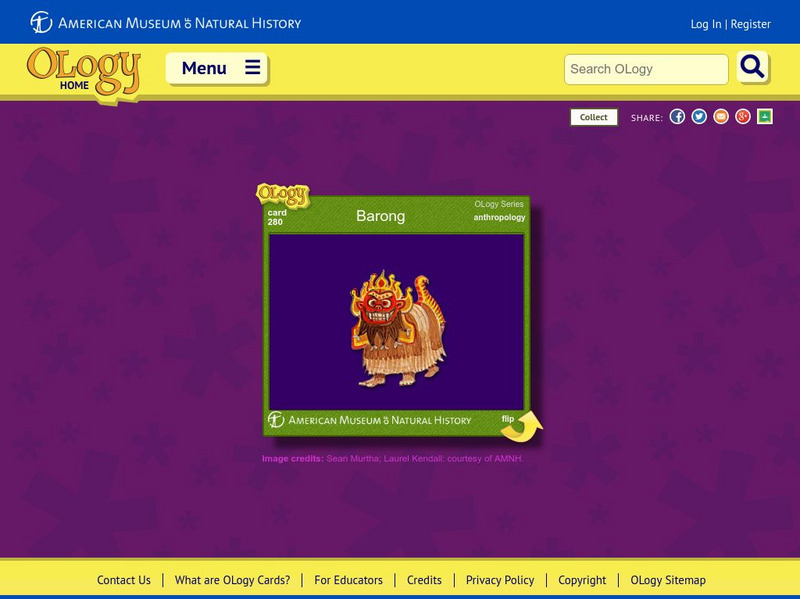
American Museum of Natural History: O Logy: Barong
Read about Barong, an important mythical creature in Indonesian culture even in modern times. Take the quiz to learn more about the Barong. Flashcard format.
American Museum of Natural History
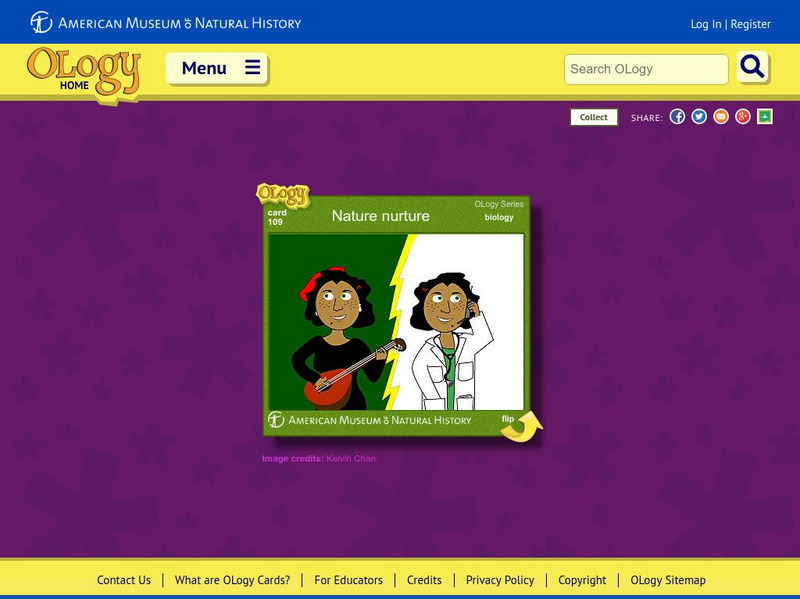
American Museum of Natural History: Nature Versus Nurture O Logy Card
Flip this interactive OLogy card to find questions and answers, fast facts, and other bite-size pieces of information to help you understand the nature-versus-nurture debate.
American Museum of Natural History
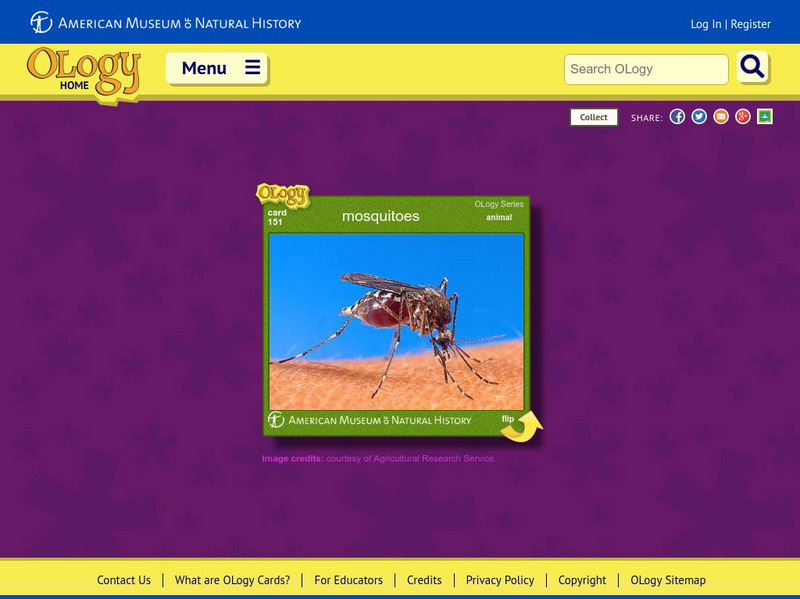
American Museum of Natural History: Mosquitoes O Logy Card
Turn over this interactive OLogy card and start learning bite-size pieces of useful information about mosquitoes, such as their diet and physical characteristics.
American Museum of Natural History
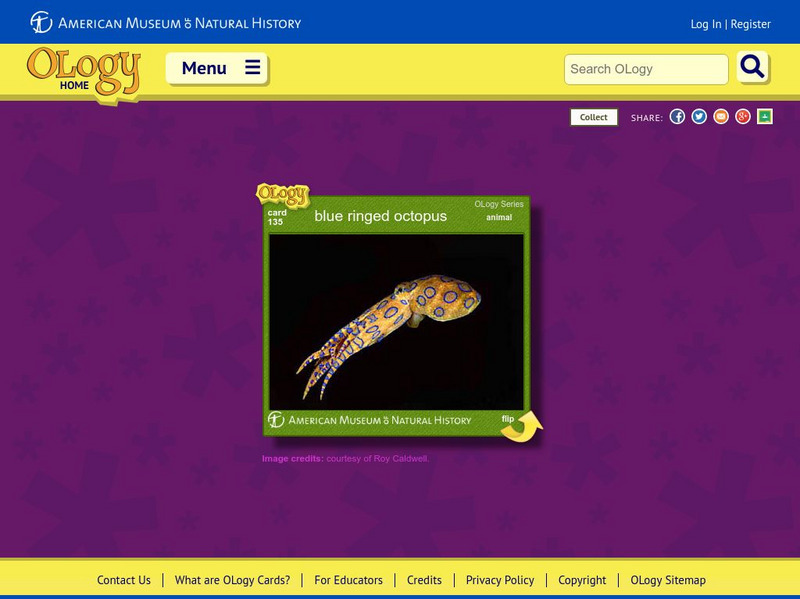
American Museum of Natural History: Blue Ringed Octopus O Logy Card
Flip this interactive OLogy card to find fast facts, questions and answers, and other bite-size pieces of information about the blue-ringed octopus.
American Museum of Natural History
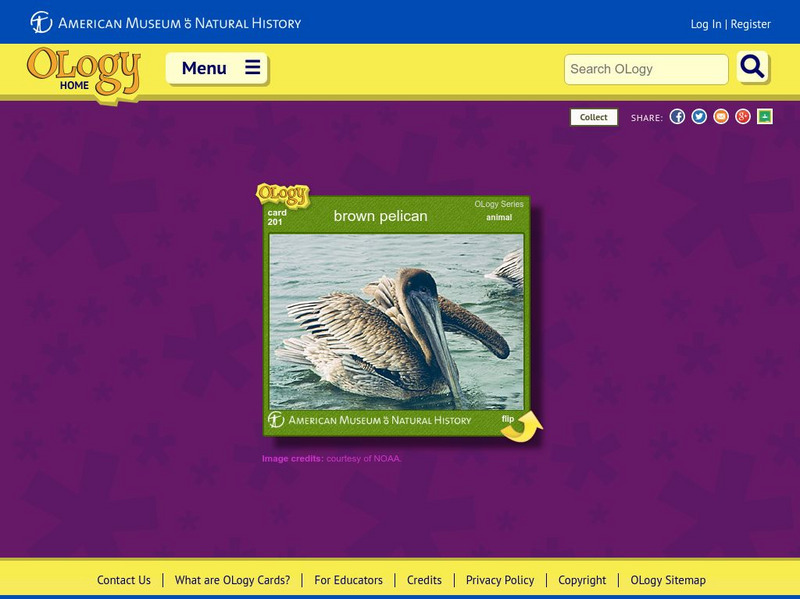
American Museum of Natural History: Brown Pelican O Logy Card
Flip this interactive OLogy card to find a definition, fast facts, questions and answers, and other bite-size pieces of information about the characteristics of the brown pelican.
American Museum of Natural History
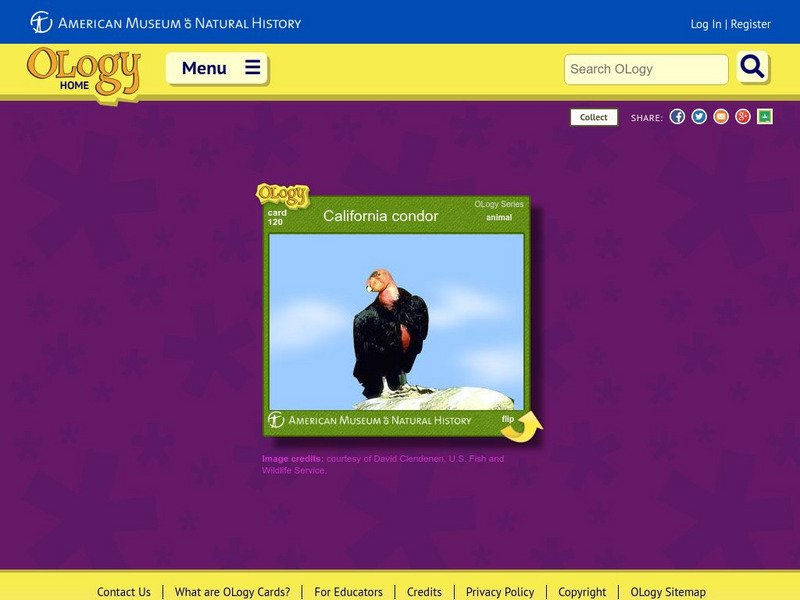
American Museum of Natural History: California Condor O Logy Card
Flip this interactive OLogy card to start learning about the California condor. Review some fast facts about condors and answer multiple-choice and fact-or-fiction questions to test your understanding.
American Museum of Natural History
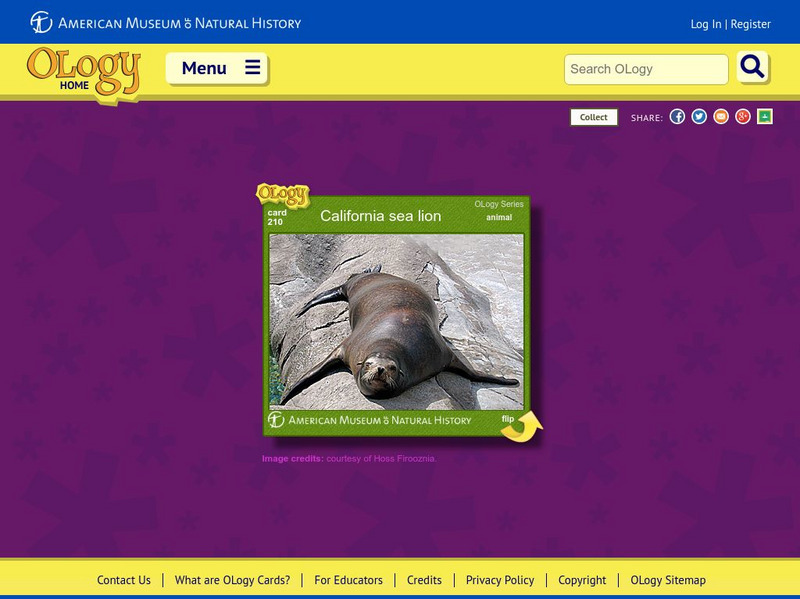
American Museum of Natural History: California Sea Lion O Logy Card
Flip over this interactive OLogy card and start learning bite-size pieces of useful information about the California sea lion, such as its habitat, diet, and physical characteristics.
American Museum of Natural History
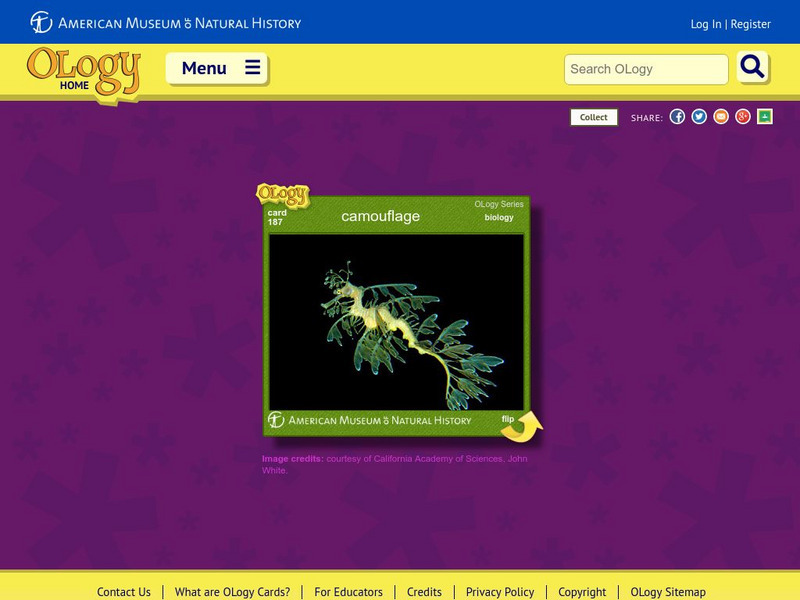
American Museum of Natural History: Camouflage O Logy Card
Flip this interactive OLogy card to start learning about camouflage and the role it plays in helping animals survive.
American Museum of Natural History
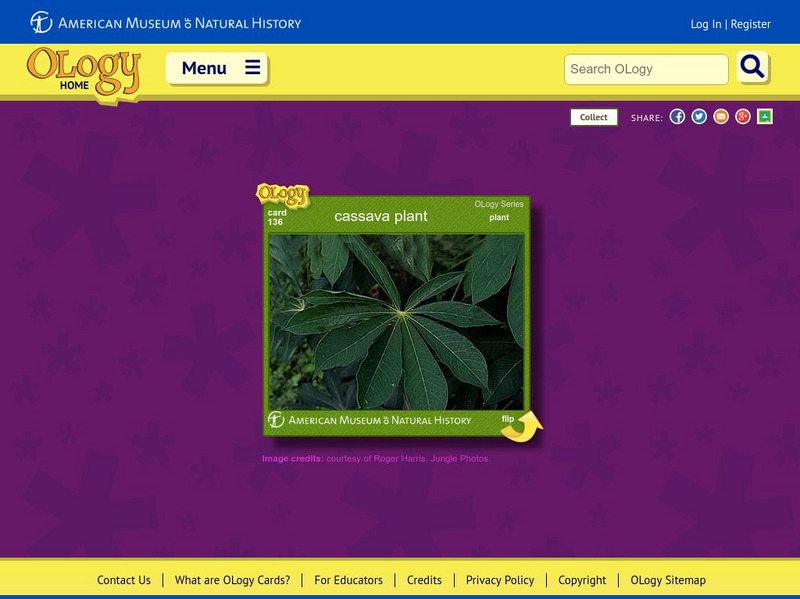
American Museum of Natural History: Cassava Plant O Logy Card
Flip this interactive card to find fast facts, questions and answers, and other bite-size pieces of information about the cassava plant.
Metropolitan Museum of Art
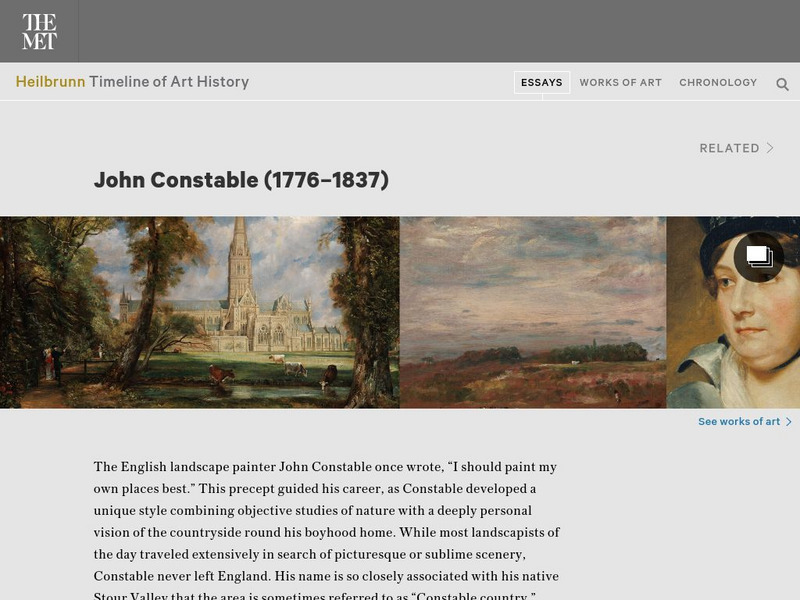
Metropolitan Museum of Art: Heilbrunn Timeline of Art History: John Constable
Life and work of John Constable captured in a brief illustrated essay.
Canadian Museum of Nature
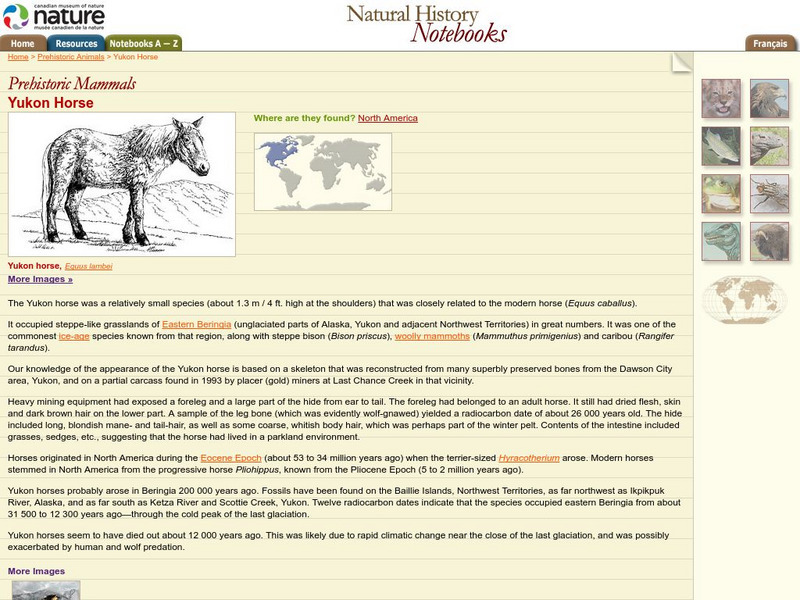
Canadian Museum of Nature: Yukon Horse
Find out about the Yukon Horse, an extinct animal that covered much of North America at one time.
Canadian Museum of Nature
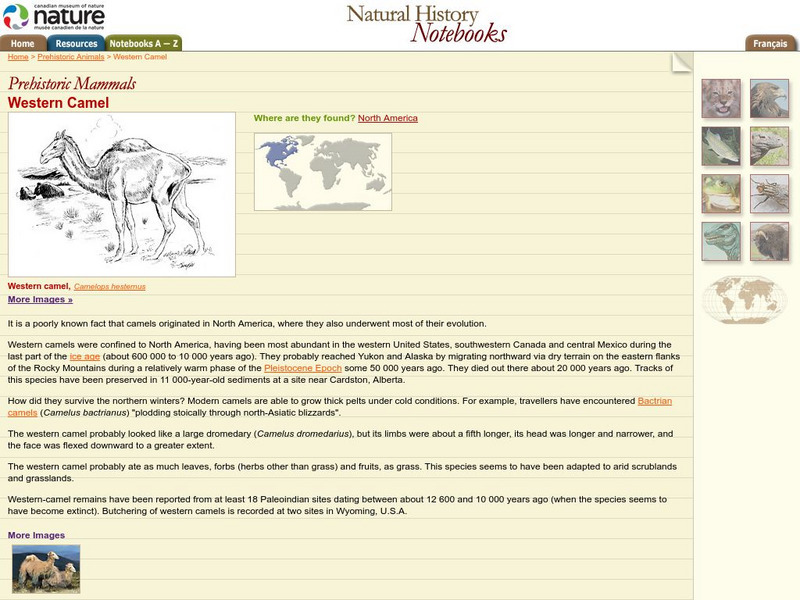
Canadian Museum of Nature: Western Camel
Read about this extraordinary mammal, the Western Camel, that originated in North America during the ice age. A fascinating article with many additional sites to explore.

Museum of the City of San Francisco
Virtual Museum of the City of San Francisco: Internment of Japanese Americans
This resource offers 1942 San Francisco News articles covering the internment of San Francisco's Japanese population.
Natural History Museum
Natural History Museum: The Secret Life of Bats: Bat Senses
Part of an online exhibit on bats, this section focuses on bat senses: sight, olfaction (smell), echolocation, and hearing.

The Tech Interactive
Tech Museum of Innovation: Common Light Sources
While reviewing various light sources, the source of colors (white, red, yellow, blue) are also discussed. The bouncing of light, the matching of colors, and seeing colors are all highlighted.
The Tech Interactive
Tech Museum of Innovation: Inside Your Eyeball
After discussing the basics of the eye, this site explores the various functions of the eye and parts from the optic nerves to the retina. Cones, rods, and the brain are also discussed.
The Tech Interactive
Tech Museum of Innovation: Inside the Earth
As an overview of the online exhibit on earthquakes, this site discusses the various sections inside the Earth. The crust, the mantle, and the core are each individually discussed.
Jewish Museum
Jewish Museum: Examining Identity in Contemporary Art and Photography [Pdf]
This website contains photographs of many in the multicultural community of Jews in the United States. There are discussion questions and cross-curricular links for integration of culture into your curriculum. A glossary is also included.
Smithsonian Institution
Smithsonian American Art Museum: Maloof on Maloof
The Smithsonian profiles the work of master furniture craftsman, Sam Maloof. While not technically sculpture, Maloof's work approaches fine art in its beauty yet has a strong element of function. Videos require QuickTime plug-in.
Other
Reading Museum and Town Hall: Britain's Bayeux Tapestry
Take a journey scene by scene through this replica of Britain's Bayeaux Tapestry. Learn the events leading up to the Norman conquest of England engrained in each panel and take part in the activities and interactives at the end of your...
Museums Victoria
Museum Victoria: Pseudofossils: Concretions and Dendrites
Pseudofossils are materials that are sometimes mistaken for fossils. They include concretions and dendrites, described here.